
Checking for a Warrant in Charlotte
Charlotte offers no city warrant lookup or citation-search form online. The county General Sessions court does list Charlotte City Officers among those it serves. That makes the same court the natural first stop for any Charlotte criminal, traffic, or FTA warrant question.
- Read the citation, notice, or court paperwork and note the issuing agency and date.
- Call General Sessions at 615-789-5414 for lower-court, traffic, or failure-to-appear files.
- For felony, indictment, or Circuit Court capias records, call the Circuit Court Clerk at 615-789-7010.
- Ask the Sheriff’s Warrants Division at 615-740-4862 about service status if the clerk says it applies.
- Confirm the office, current address, and required next step before appearing.
Charlotte Warrant Agency and Court Route
The City of Charlotte publishes no warrant desk or municipal-court lookup on its Home, About, or Services pages. Its online contact line answers questions about water, streets, and other city services. It will not tell you a warrant status. For that, use the clerk who keeps the case file. General Sessions names Charlotte among the entities it serves, which points city-officer matters toward the county court. So a Charlotte address alone should never lead you to assume a separate city court exists.
Charlotte Police and Municipal Court
The city's own service listing names no Charlotte Police Department and no municipal-court warrant portal. There is no city citation lookup either. General Sessions, not a city search form, is the documented route for matters involving Charlotte City Officers. Call that clerk for a warrant check.
City of Charlotte
Official city contact and after-hours routing
629-257-4730
Charlotte Warrant Records at the County Seat
Charlotte is the county seat, home to the County Administration Building, the Justice Center, the Sheriff, and the jail. The city's own history page describes the courthouse anchoring the public square. It notes the historic courthouse still hosts court business. But that geography can fool you. Not every Charlotte matter sits in a city court. For General Sessions criminal, traffic, or FTA questions, the county clerk at the Justice Center is the named record route. Call first to find the right courthouse counter before you make the trip.
Charlotte Warrant Types
The real warrant routes here are county court records and law-enforcement service. Charlotte's own pages publish no separate municipal warrant type and no public roster. If a city officer wrote your citation, ask General Sessions whether that ticket now sits in its file.
| Possible record route | What sources document | First contact |
|---|---|---|
| General Sessions process | Charlotte City Officers are listed among entities served. | General Sessions Clerk. |
| Traffic or FTA matter | County traffic court is listed; no city lookup form was found. | Ask the clerk named on the ticket. |
| Felony or capias process | Circuit Court holds felony and misdemeanor records. | Circuit Court Clerk. |
| City-only warrant portal | No separate public portal located in inspected city pages. | Confirm the issuing court before requesting records. |
Charlotte Warrant Court Dates in General Sessions
The county calendar sets Tuesday traffic court at 9:00 a.m., Thursday criminal municipal court at 9:00 a.m., and Friday criminal county court at 9:00 a.m. Those blocks help you aim a question at the right day. They cannot promise your own case date. Before relying on any schedule, call 615-789-5414 and ask whether the calendar or courtroom has changed. For felony cases, indictments, probation matters, or a Circuit Court capias, go to the Circuit Court Clerk instead. The General Sessions docket does not cover everything, even in Charlotte.
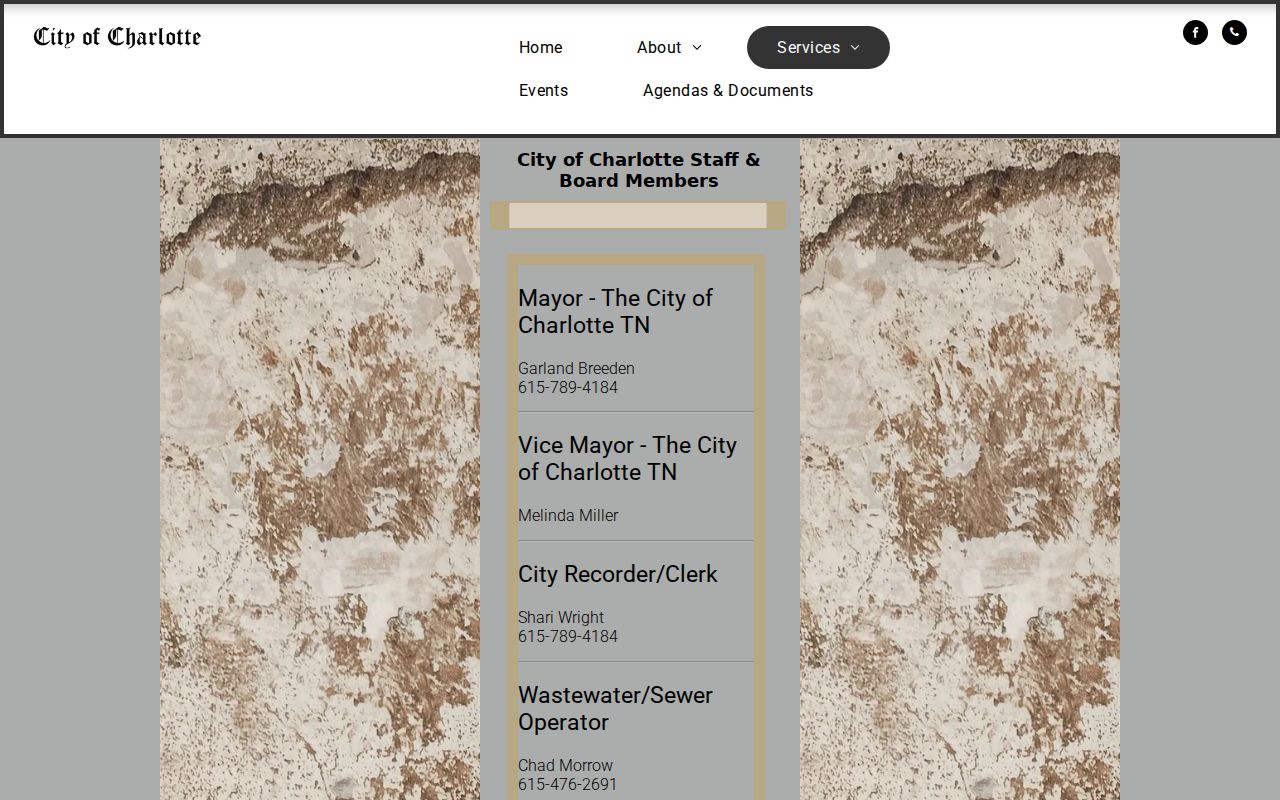
The county directory confirms the pattern: Charlotte's city pages publish no warrant desk of their own.
Inside a Charlotte Warrant Record
No public Charlotte result page exists, and no city warrant-number pattern is on record. Pull the citation or case number from your paperwork. Then ask the clerk which file and process type the court shows.
| Case reference | Format not published Use the case or citation number given by the clerk. |
|---|---|
| Court | General Sessions or Circuit Court, depending on the case stage. |
| Agency | Charlotte officers are listed among General Sessions served entities. |
| Process | Ask whether it is a citation, summons, bench warrant, or capias. |
| Next step | Confirm the court date, status, and required appearance. |
Charlotte Warrant Requests Need the Right Clerk
A public-record request can fetch an existing docket, citation, or process record from the office that holds it. Name the case number, the approximate date, and the issuing agency. Keep the request narrow. The city cannot assemble a roster of all warrants when it publishes no such list. The County TPRA form and the Sheriff's request address also go to different record holders. A court-file question belongs with General Sessions or Circuit Court. Ask the Sheriff for law-enforcement records only, and only when that office truly holds the item.
How Charlotte Warrants Fit the County System
General Sessions lists Charlotte City Officers among the entities it serves. The city runs no warrant portal of its own. For a lower-court or traffic warrant, call that clerk first. Circuit Court keeps felony and misdemeanor case records. The Sheriff's Warrants Division handles service questions. For the countywide picture, see the Dickson County warrant records overview.
Charlotte Warrant Questions Before Visiting
The city home page lists 629-257-4730 as its contact and after-hours number, but nothing marks it as a warrant search line. Treat it as a general city number. The county Justice Center sits at 500 Spring Street. The Sheriff's current site lists 140 County Jail Drive for the jail. Confirm the right office and address by phone before you travel. A county directory lists an alternate jail address, so do not rely on it without checking the current Sheriff page. Ask the clerk which case file you need and whether a court appearance is required.
Charlotte’s Public Square and Warrant Routing
The historic courthouse anchors Charlotte's public square, while the Justice Center nearby houses the working county clerk offices. The city history page adds local color. It never claims city staff hold county criminal warrants. Court routing depends on the case, not the landmark.
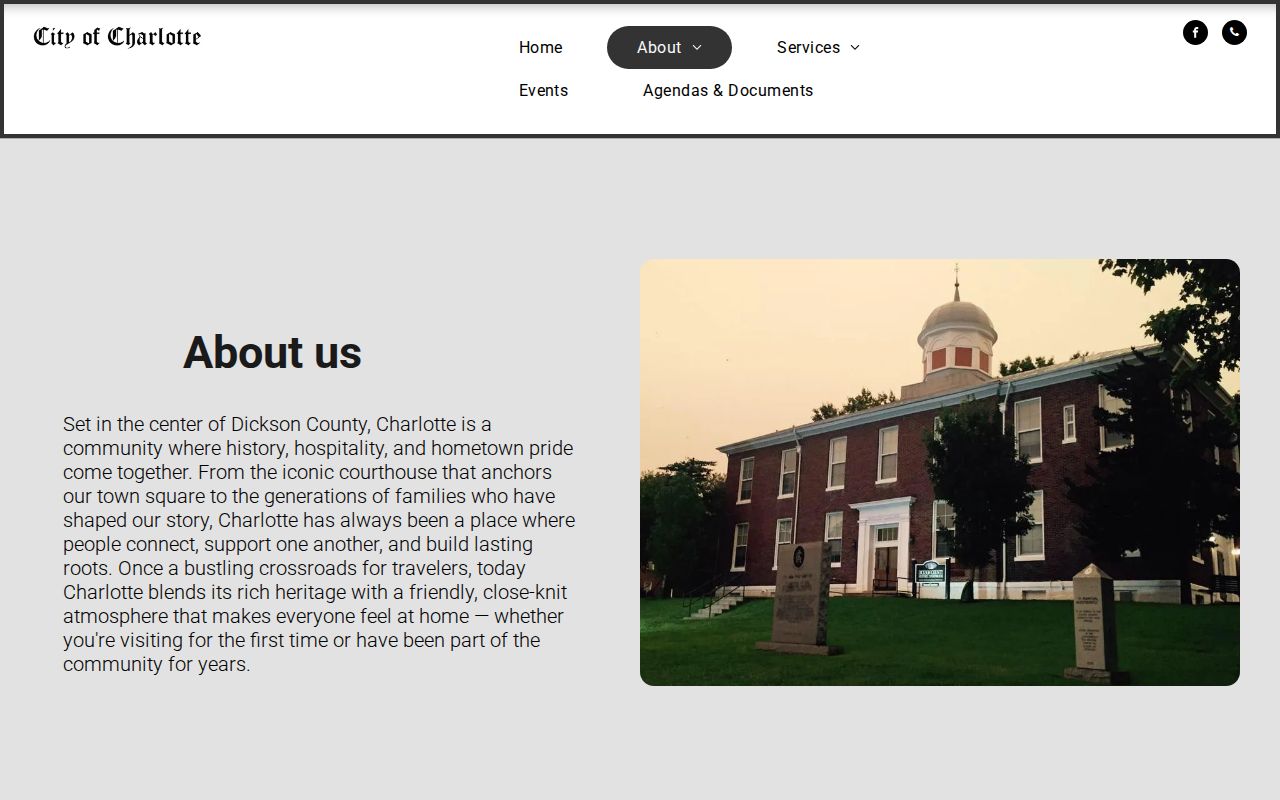
For one person's warrant question, the square is just scenery. The right clerk depends entirely on the case at hand.
Charlotte Warrant Records and Public Access
Tennessee public-record law covers records held by city and county offices alike. Court, juvenile, sealed, and investigative files can still be restricted. Name an existing record and send the request to the office that keeps it.
Access rules:
Tennessee Public Records Act governs many local public records.
Supreme Court Rule 34 sets court-record access standards and exceptions.
Juvenile Rule 114 limits access to juvenile proceedings and records.